What Helps Make an Interior Designer Important for Generating a Functional and Aesthetic Spot?
In the modern globe, where people spend a considerable portion of their time inside your home, the significance of interior decoration has grown profoundly. Whether it is a home, a workplace, a restaurant, or a retail area, the means an area is developed influences not simply its aesthetic appeal but likewise its functionality and the overall experience of those who populate it. This is where an interior designer plays an essential function.
An interior designer is not simply a person who decorates rooms; instead, they are professionals that blend creativity with technological expertise to change regular rooms right into remarkable atmospheres. They take into consideration every information, from illumination and furniture positioning to color schemes and appearances, ensuring that each area offers its objective while exuding style and convenience.
Among the main factors indoor developers are essential is their capability to comprehend spatial preparation. They analyze the measurements and layout of a space and identify the best method to use it successfully. They make sure that an area does not feel cluttered while also seeing to it that it is not too empty. This equilibrium is crucial in both residential and business settings. As an example, in a home, an interior designer may guarantee that the living room has enough seating for visitors while preserving a relaxing and welcoming atmosphere. In an office, they may focus on optimizing efficiency by designing workspaces that motivate cooperation while additionally offering locations for private focus.
Another vital facet of interior decoration is the option of shades, materials, and textures. Lisa Tharp Interior play an emotional duty in influencing feelings and habits. For instance, blue tones can create a calming effect, making them perfect for rooms and workplaces, while cozy tones like red and orange can bring energy and exhilaration to a space, making them ideal for dining establishments and enjoyment locations. Interior designers thoroughly choose these components based on the objective of the space and the choices of the clients.
Past aesthetics, indoor developers likewise focus on capability and sustainability. They make certain that an area is not just aesthetically attractive but likewise functional and effective. This includes choose durable products, guaranteeing appropriate air flow, and integrating energy-efficient lighting and devices. With the expanding focus on sustainability, many interior developers are currently making use of environment-friendly materials and making areas that decrease energy consumption.
An often-overlooked element of an interior designer's work is their capability to customize a room according to the demands and individuality of the client. Every individual or company has special demands, and an interior designer puts in the time to comprehend these needs and reflect them in the layout. Whether it's a home office that requires to motivate imagination or a boutique hotel that aims to offer a glamorous experience, indoor developers produce spaces that line up with the vision of their clients.
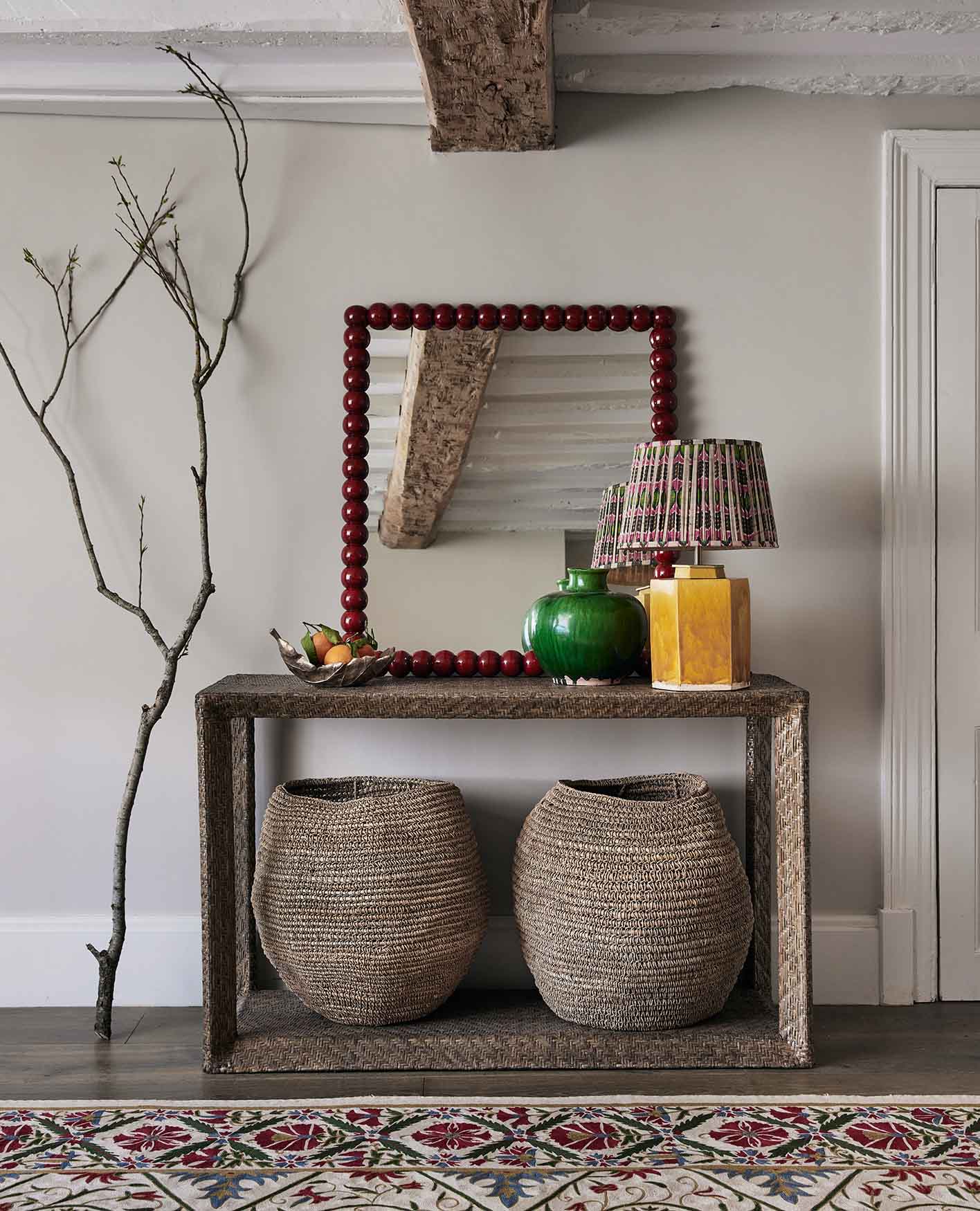
Interior designers also collaborate with architects, contractors, and various other professionals to ensure that their vision is carried out appropriately. They supervise construction and restoration tasks, guaranteeing that every information is implemented properly. Without their knowledge, a project might conveniently run into concerns such as inadequate room utilization, mismatched style components, or spending plan overruns.
Eventually, an interior designer is not just somebody who makes an area appearance gorgeous; they are problem-solvers that enhance the way individuals engage with their environments. Their job goes beyond decoration— it is about creating an ambience that boosts health, boosts productivity, and brings pleasure to those that experience it. With their competence, they transform rooms into living works of art, making them an important part of contemporary style and design.